PCOS Hair Loss Treatment · Women's Hair Fall India
PCOS-Related Hair Loss —
Treating Hormonal Thinning at the Root
PCOS hair loss treatment starts with understanding why it happens. In polycystic ovary syndrome, the ovaries and insulin pathway push androgens (including DHT) higher than normal. On the scalp this slowly shrinks follicles along the crown and part line, while the same hormones can increase facial or body hair. It is one of the most common and most under-diagnosed causes of female hair thinning in India. The encouraging part: because the trigger is hormonal rather than scarring, getting the correct diagnosis early — and addressing both the hormones and the scalp — often slows the loss and supports meaningful regrowth over time.
Reviewed by Dr. Amit Agarkar, MD DNB Dermatology, Mumbai
1What Causes PCOS Hair Loss?
- Androgen excess: Higher testosterone and DHT gradually miniaturise scalp follicles in a diffuse female pattern rather than the temple recession seen in men.
- Insulin resistance: Raised insulin nudges the ovaries to make more androgens, amplifying the DHT effect on the follicle.
- Co-existing thyroid issues: Thyroid dysfunction is more common in PCOS and can add a second, diffuse shedding layer on top.
- Nutritional gaps: Low ferritin, vitamin D and zinc — frequent in PCOS — weaken the growth phase and worsen visible thinning.
- Chronic low-grade inflammation: Metabolic inflammation linked to PCOS can shorten the hair growth cycle.
2How to Identify PCOS Hair Loss
Diffuse thinning across crown and top
A centre part line that looks wider over months
Thinner ponytail circumference
Hair thinning alongside acne or oily skin
Increased facial or body hair
Irregular or skipped menstrual cycles
More scalp visible under bright light
Weight changes that track with the thinning
3Treatment Options for PCOS Hair Loss
💊
Medical / Pharma
- Topical minoxidil — dermatologist-guided, may support regrowth (avoid in pregnancy)
- Anti-androgens such as spironolactone — prescription-only, not for everyone
- Metformin — prescribed for insulin resistance, addresses a root driver
- Iron, vitamin D3 and zinc correction — only after blood work confirms a deficiency
- Oral contraceptives (certain types) — androgen suppression
🌿
Lifestyle + HomeCare / Routine
- Low-GI diet — reduces insulin spikes that fuel androgens
- Spearmint tea (2 cups/day) — shown to reduce free testosterone
- Inositol supplementation — improves insulin sensitivity
- Rosemary oil scalp massage — topical DHT inhibitor
- Regular exercise — improves hormonal balance and insulin
- Gentle, consistent scalp care; avoid tight hairstyles
🤖
AI-Based Plan
- Dermatology + gynaecology/endocrinology review together
- Microneedling or PRP/GFC — adjuncts, evidence still evolving
- Trichoscopy to confirm miniaturisation and track density
- Low-level laser therapy (LLLT) as a supportive option
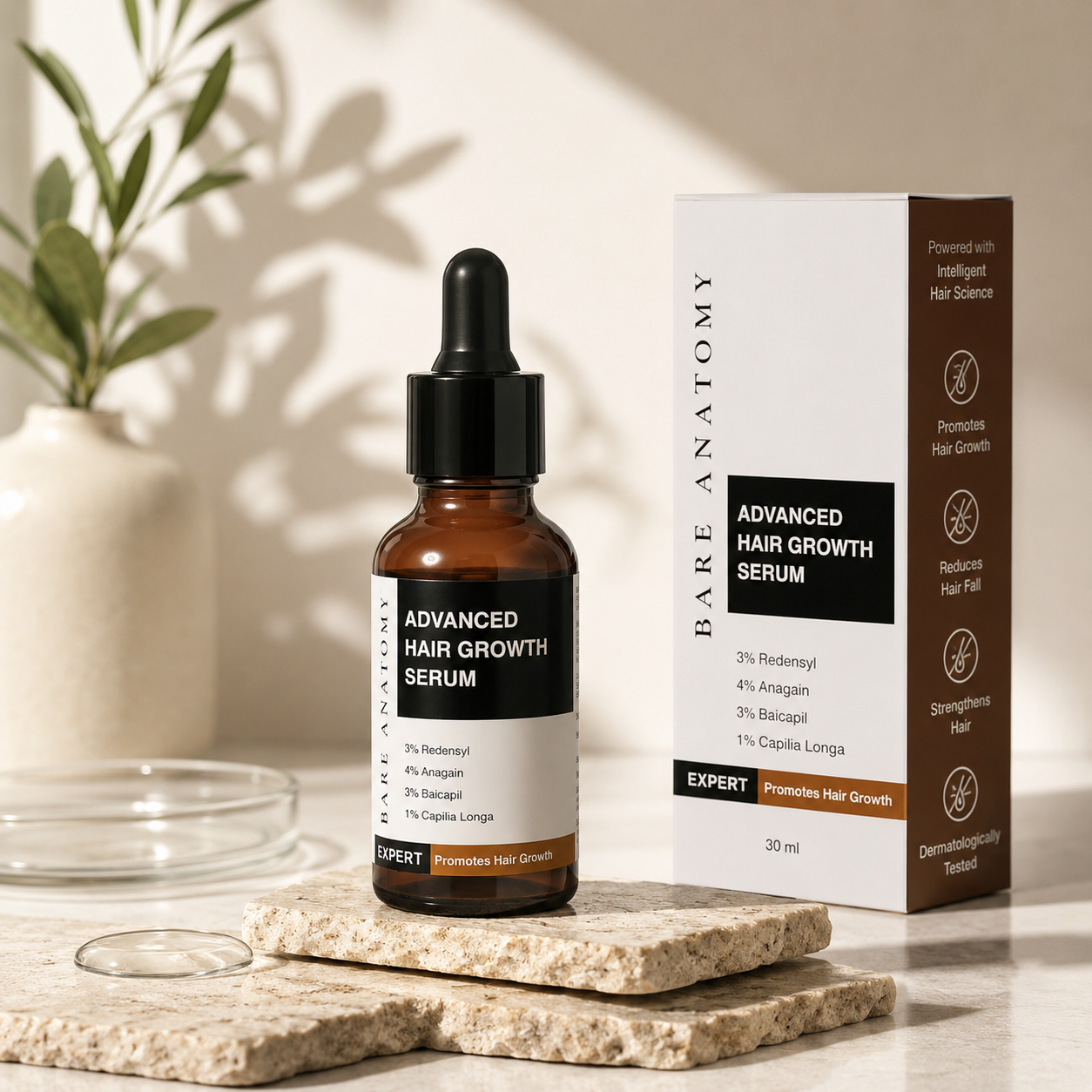
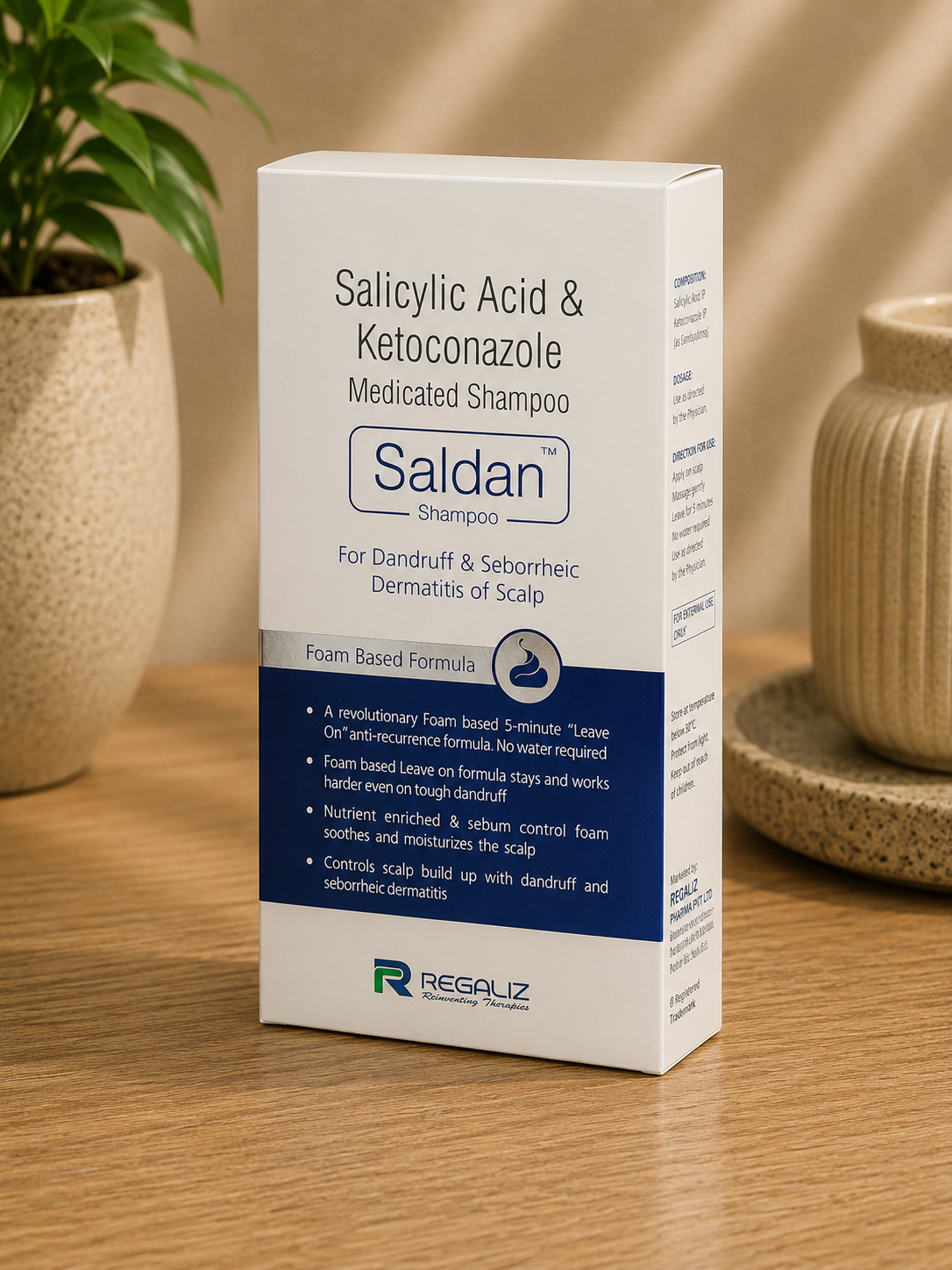
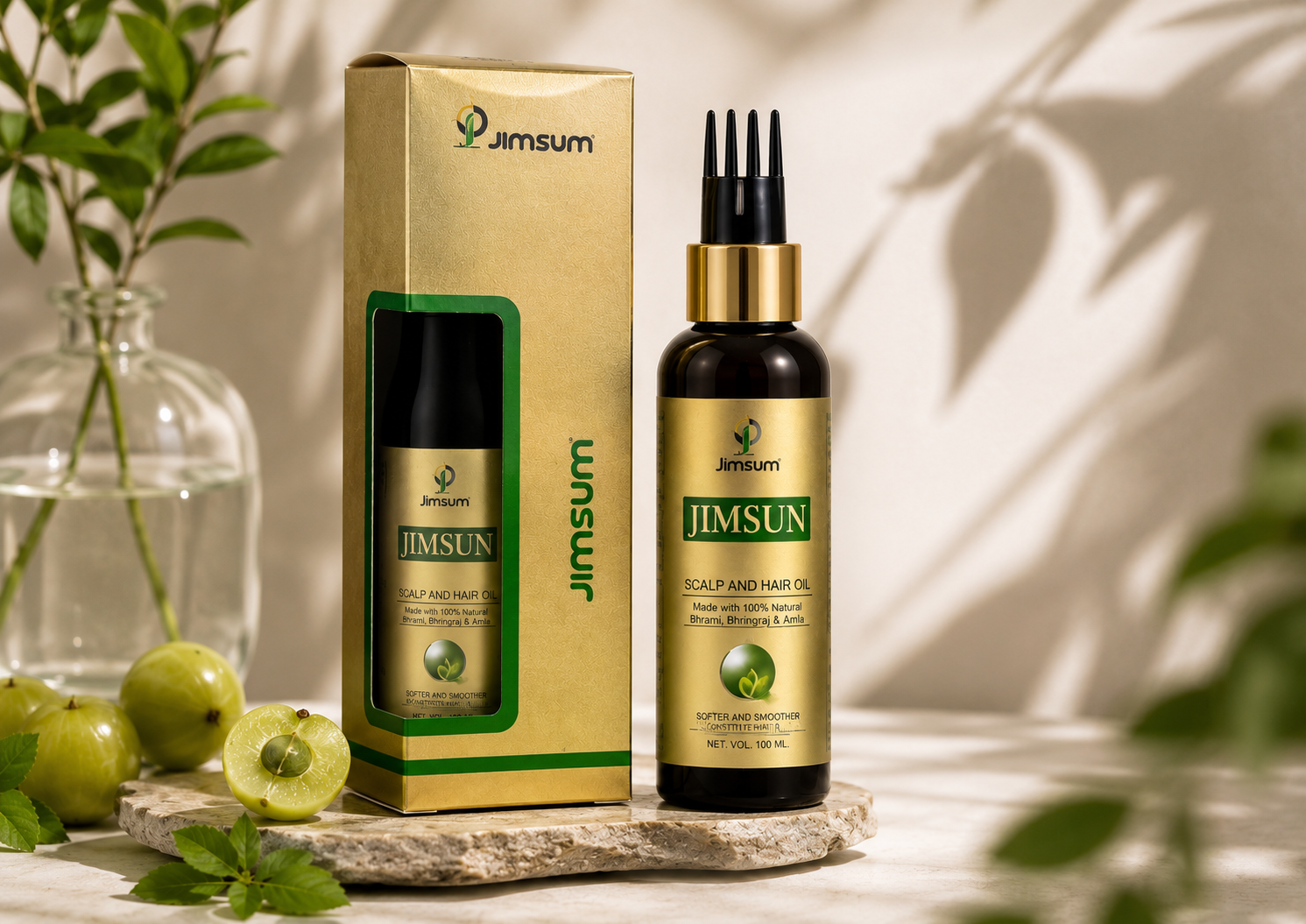
🛒 Recommended Treatment Kit
Dermatologist-curated products for PCOS-Related Hair Loss. Add the full routine to your cart in one click.
🏥 When to See a Dermatologist + Gynaecologist
PCOS hair loss usually needs both a dermatologist (for the scalp) and a gynaecologist or endocrinologist (for the hormones). See a doctor sooner rather than later if you notice:1. Rapidly worsening thinning over a few weeks.2. Patchy bald spots rather than diffuse thinning.3. Scalp pain, itching, scaling, pus or bleeding. 4. Very irregular or absent periods.5. Sudden acne, voice change or pronounced facial hair.6. Planning pregnancy or currently pregnant or breastfeeding
Is Your Hair Loss Hormonal?
Our AI identifies PCOS-pattern hair loss from your symptom profile and scalp photo, then builds a personalised treatment plan — including blood test recommendations.
Take Free Hair Test⚡ Takes 90 seconds · Free · Dermatologist-reviewed
4Frequently Asked Questions
It is often partly reversible when treated early, before follicles shrink permanently. Addressing the hormones, correcting any deficiency, and using dermatologist-guided topical treatment together gives the best chance of regrowth, usually assessed over 6–12 months. Results vary and are not guaranteed.
There is no single best fix. The evidence-based approach combines managing the hormonal root (with your gynaecologist or endocrinologist), a dermatologist-guided topical such as minoxidil, and correcting confirmed deficiencies. The right mix depends on your blood work and should be doctor-supervised.
Useful tests include free and total testosterone, DHEAS, LH/FSH, fasting insulin or HbA1c, prolactin, ferritin, vitamin D3 and thyroid (TSH, anti-TPO). Your doctor decides the exact panel. Our AI flags which ones to raise based on your symptom profile.
Topical minoxidil is widely used for female thinning under dermatologist guidance, but it is not suitable for everyone and should be avoided in pregnancy and breastfeeding. Start only after a doctor confirms it is appropriate for you.
PCOS thinning is diffuse across the crown with a widening part, and it usually appears alongside other androgen signs like acne, irregular periods or extra facial hair. Ordinary shedding tends to be temporary, seasonal or stress-linked without those accompanying features.
Improving insulin sensitivity through diet, movement and medical care can ease the hormonal driver behind PCOS thinning for some people. Crash dieting, however, can trigger its own shedding — so gradual, sustainable change supported by your care team is better.