Bridal Hair Care Routine: Doctor-Reviewed Morning, Night & Weekly Plan for Wedding-Ready Hair
A bridal hair care routine should begin early and focus on scalp health, frizz control, breakage prevention, shine, volume, dandruff control and safe hair-fall management. The goal is not overnight transformation, but a structured routine that improves manageability, scalp comfort and photo-readiness over time. Last-minute harsh treatments can worsen hair fall or scalp irritation. Start with the AI Hair Test and plan to your wedding timeline. Results vary.
✓ Wedding-timeline plan: 6 mo / 3 mo / 6 wk / 2 wk
✓ Start early — manageability over overnight change
✓ No last-minute harsh treatments or new strong actives
Reviewed by Dr. Amit AgarkarMD Dermatology · Dermatologist & Hair Specialist
Illustrative sample. The goal is manageability, scalp comfort and photo-readiness, not guaranteed density, shine or wedding-date results. AI tools screen and do not diagnose; results vary.
🩺
Doctor-reviewedMD Dermatology
📅
Timeline-safe6 mo → 2 wk
⚠️
No last-minuteharsh treatments
📷
Photo trackingshine / frizz / fall
🚚
India-widedelivery
Quick Answer
What does a safe bridal hair care routine include?
Starting early and focusing on scalp health, frizz and dryness control, breakage prevention, shine, dandruff control and safe hair-fall management — with consistent washing, weekly masks, gentle styling and tracking, planned to your wedding timeline (6 months, 3 months, 6 weeks, 2 weeks). The goal is improved manageability, scalp comfort and photo-readiness over time, not overnight transformation or guaranteed density or shine. Avoid last-minute harsh treatments and new strong actives near the wedding, and patch-test hair colour. Treat any medical hair fall or scalp issue early with a doctor. Screen with the AI Hair Test. Results vary.
Start early — the goal is manageability, scalp comfort and photo-readiness over time, not overnight transformation or guaranteed density, shine or wedding-date results. Scalp issues, hair fall, dandruff and damage all take time. Do not start harsh new treatments or strong new actives near the wedding, do not do chemical treatments too close to the event, and always patch-test hair colour. Plan colour and salon work early. See a doctor early for sudden severe or patchy hair fall, progressive thinning, scalp pain, pus, crusting, thick plaques or severe dandruff, an allergic reaction to hair colour, a chemical burn, or symptoms suggesting thyroid, PCOS, anemia or other medical causes. Pregnancy and breastfeeding need extra caution. AI suggestions are screening, not diagnosis or prescription.
Wedding-timeline routine focused on manageability, scalp comfort and photo-readiness. No overnight transformation claim.
AI Summary
The Bridal Hair Care Routine in Simple Terms
The Bridal Hair Care Routine. A wedding-timeline plan for manageability, scalp comfort and photo-readiness; it works best started early and does not promise an overnight or wedding-date transformation.
The right routine depends on your hair-fall pattern, scalp symptoms, hair type, product history, styling exposure, medical history and whether the concern is root-related, scalp-related or hair-shaft-related.
Bottom line: use this page to understand the routine structure, product logic, safety checks and tracking plan, then take the AI Routine Builder before building your personalised routine. Results vary.
Who It Suits
Who This Routine Suits
✓
Brides 6 months before the wedding
✓
Brides 3 months before the wedding
✓
Brides with frizz / dryness
✓
Brides with dandruff or an itchy scalp
✓
Brides with hair fall before the wedding
✓
Brides with colour-treated hair
✓
Brides planning styling / colouring
✓
Brides needing shine and smoothness support
✓
Brides needing a safe product timeline
✓
Brides wanting progress tracking
When a Routine Is Not Enough
Not Suitable For / Doctor Red Flags
This routine is not enough — see a doctor — if before the wedding there is sudden severe hair fall, patchy hair loss, progressive thinning, scalp pain, pus, crusting, thick plaques, severe dandruff, an allergic reaction to hair colour, a chemical burn, pregnancy, breastfeeding, thyroid symptoms, PCOS symptoms, anemia symptoms, rapid weight loss or an unclear diagnosis. Treat medical hair fall early — not with last-minute products.
Any of these apply? A routine is not a substitute for diagnosis.
Use a heat protectant if styling, and avoid daily high-heat styling.
Product: Heat protectant
⚠️ Avoid: Overusing heat styling
5
Nutrition & lifestyle
Protein, hydration, sleep, stress management, and avoiding crash diets before the wedding.
Why: Supports overall hair health
⚠️ Avoid: Crash dieting before the wedding
Step by Step
Night Routine
Calm the scalp, smooth the lengths, and avoid last-minute experiments.
1
Scalp comfort check
Check itching, flakes, oiliness, redness or irritation.
Type: Self-check
2
Hair-length care
Use a serum or leave-in on dry ends, oil on the lengths only if suitable, and avoid heavy scalp oiling on a dandruff-prone or oily scalp.
Product: Serum / leave-in (lengths)
⚠️ Avoid: Heavy oiling on a dandruff-prone scalp
3
Friction reduction
Use a loose hairstyle and a soft pillowcase, and avoid sleeping with wet, tightly tied hair.
Why: Reduces breakage
4
Avoid last-minute experiments
No new essential oils or strong actives without patch testing, and no salon chemical treatments without a timing plan.
Caution: Patch test & plan ahead
⚠️ Avoid: Starting a new strong product one week before the wedding
Weekly Plan
Weekly Routine
Wash, mask and plan salon work early — never experiment near the date.
1
Weekly wash & care
Scalp-specific shampoo, conditioner after washing, a weekly hair mask, an anti-dandruff routine if flakes are present, and a scalp serum if dryness/sensitivity exists.
Plan colour and chemical treatments early, patch-test colour products, avoid experimenting within two weeks of the wedding, and do not combine multiple new treatments close to the event.
Caution: Plan early; patch test
⚠️ Avoid: Trying new hair colour without a patch test
3
Weekly tracking
Log hair-fall, frizz, shine, smoothness, dandruff, styling-damage and product-tolerance scores with photos every 2–4 weeks.
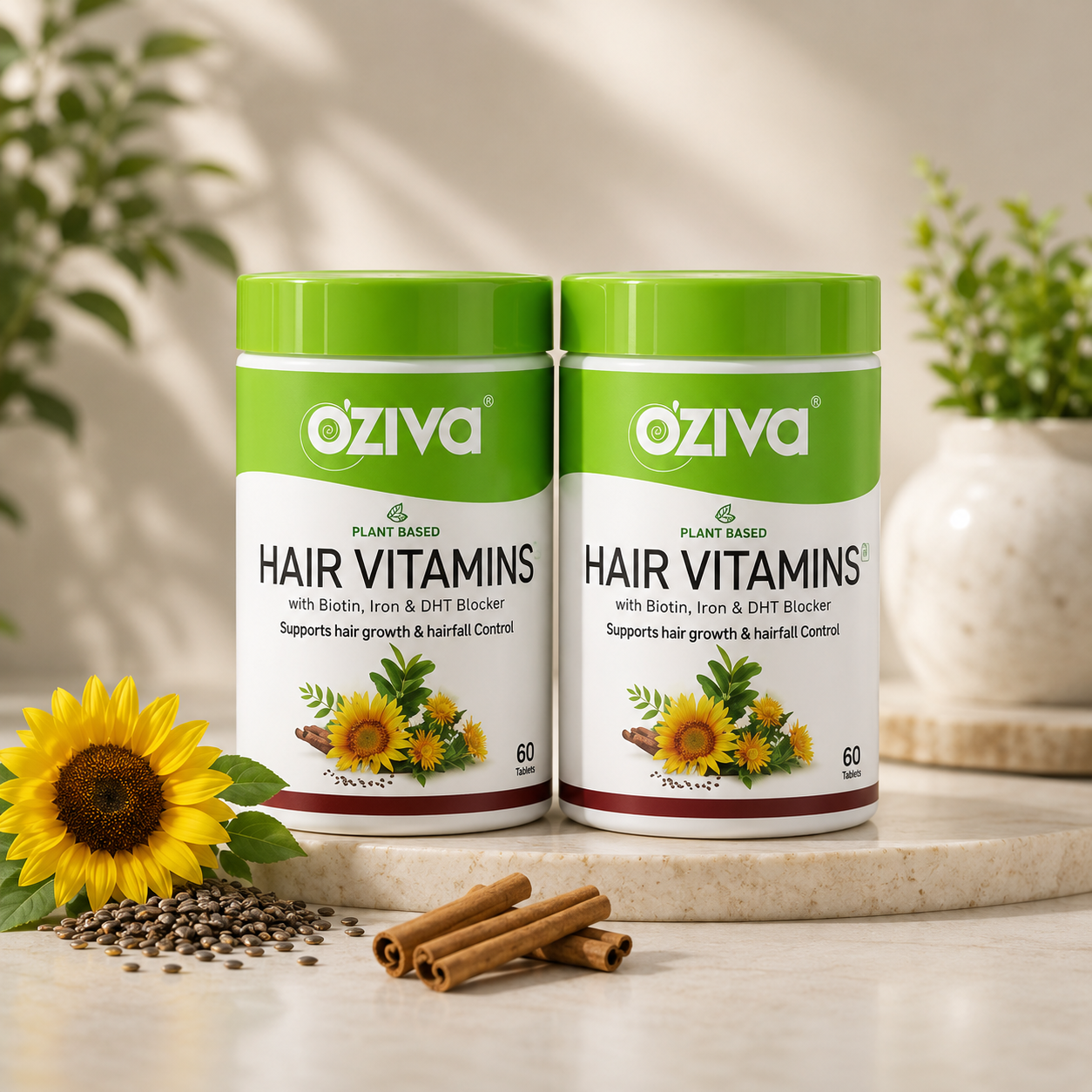
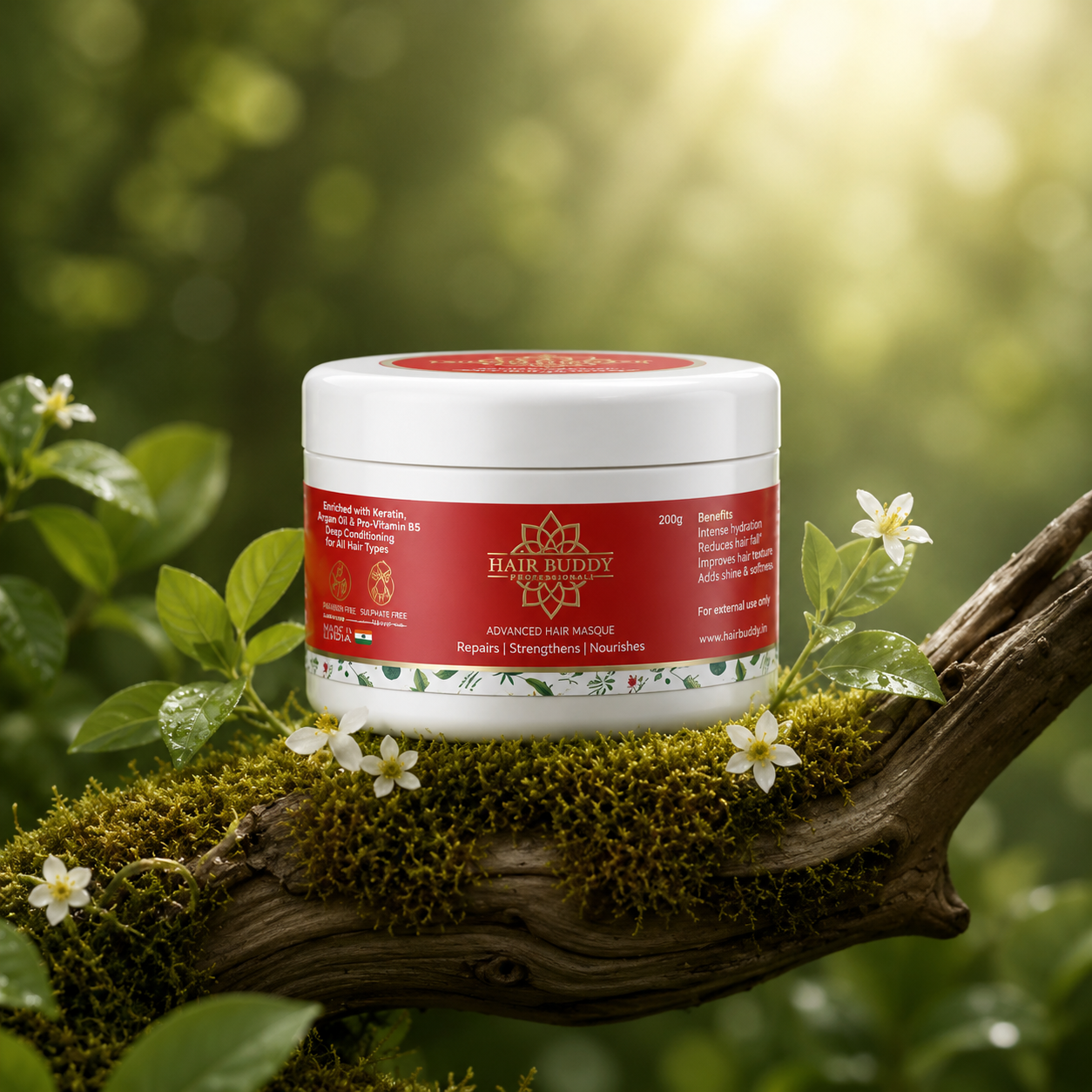
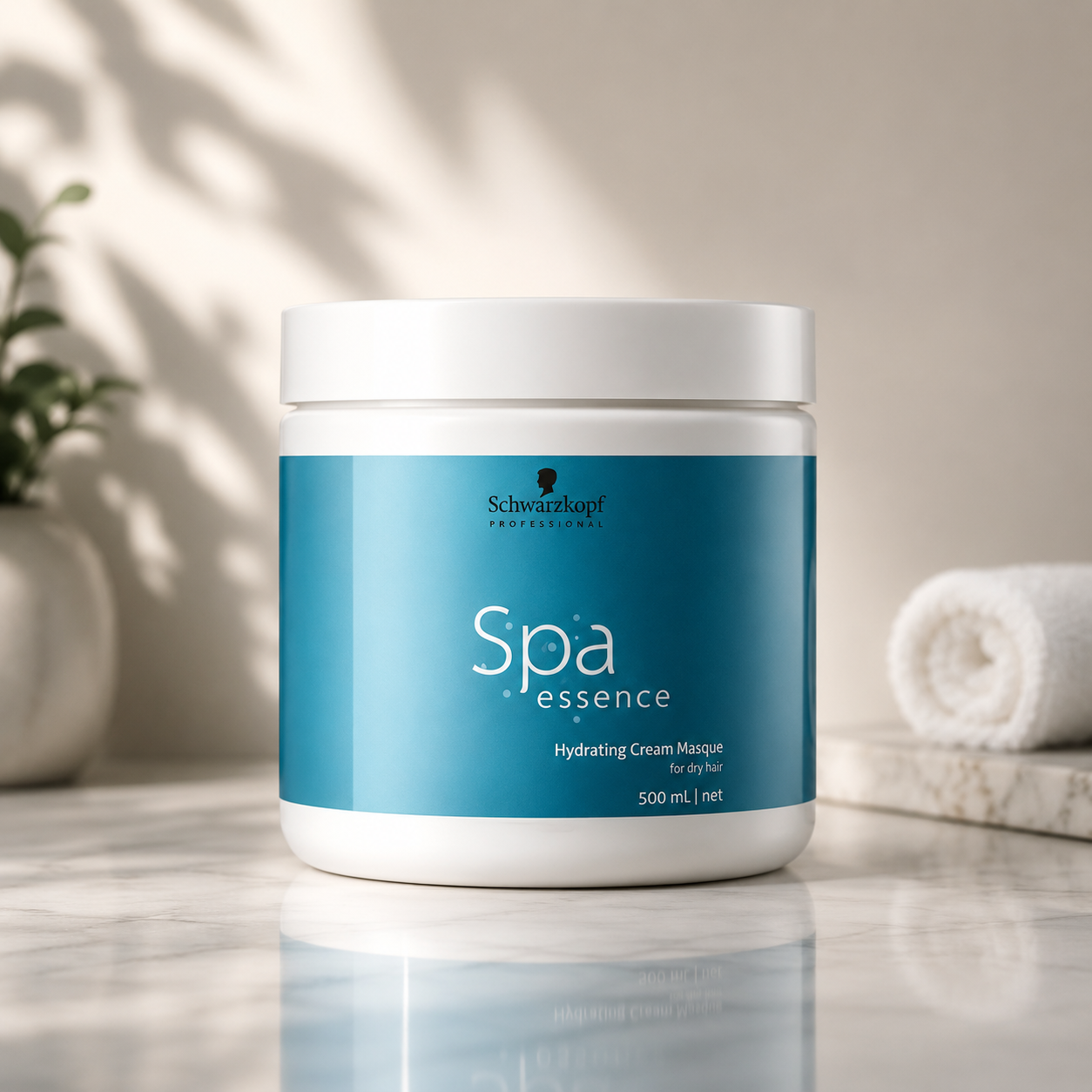
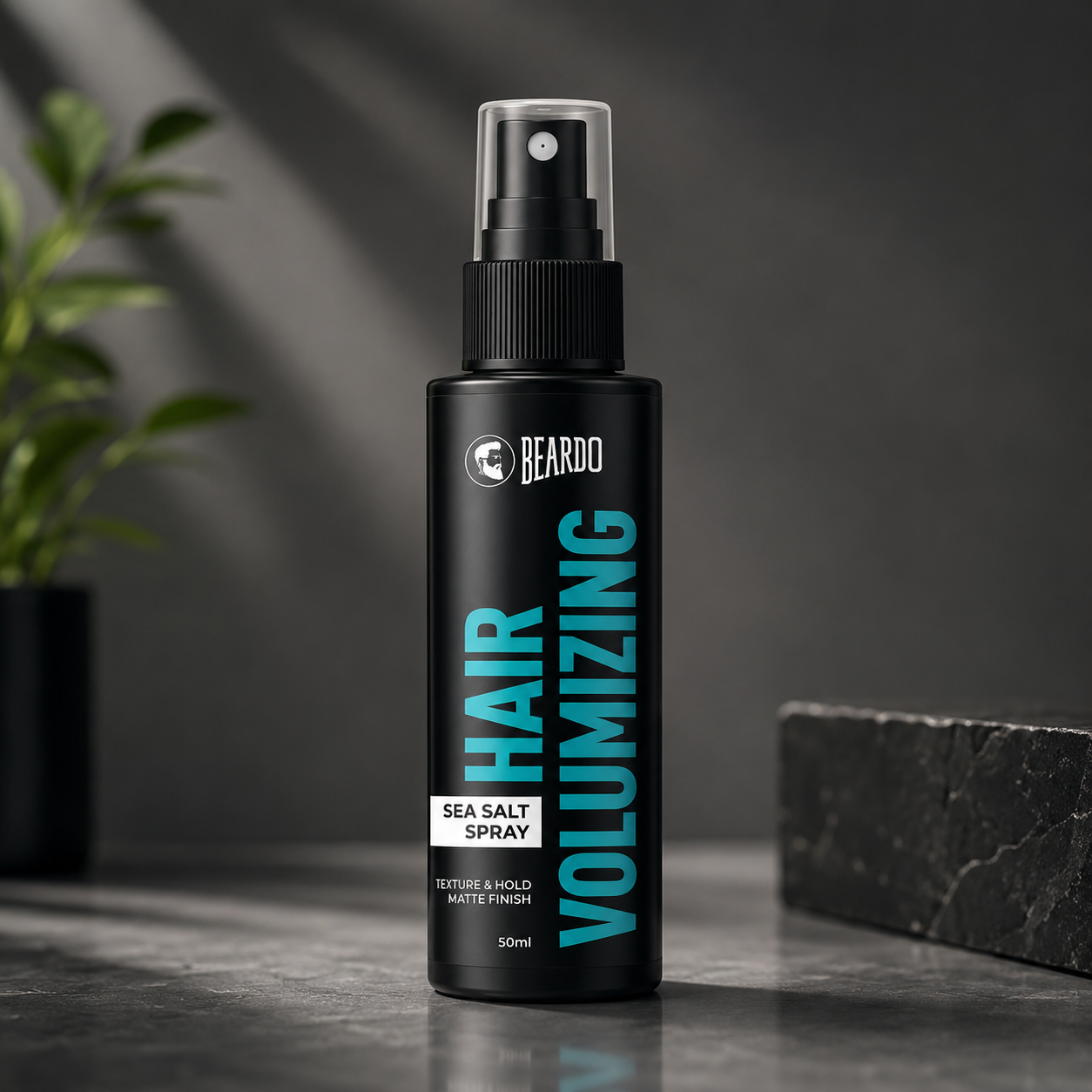
Curated kits for this routine. Patch-test new products and avoid new strong actives without guidance. Prices, stock and ratings load from the catalogue.
Kit · 4 products
₹1,800₹2,000
Product image, name, category, wedding-timeline suitability, best-for tags, key ingredients, patch-test reminder, price, stock, ratings and reviews are dynamic placeholders from the official label and database — we do not fabricate product data, and we do not promise guaranteed density, shine or wedding-date results. Add-to-cart, compare and add-to-routine wire to the backend.
Why These Ingredients
Why These Ingredients
Bridal ingredients focus on smoothness, shine, scalp comfort and breakage support — introduced early and patch-tested, never as last-minute strong actives.
✓
Hyaluronic Acid / Panthenol / Ceramides
Hydration, softness and smoothness for dry or frizzy bridal hair.
May support: Dry / frizzy lengthsEvidence: CosmeticAvoid if: Expecting them to treat hair loss
Track Shine, Frizz, Dandruff, Hair Fall & Photo-Readiness
Record photos and track shine, frizz, dandruff, hair-fall, smoothness and product-tolerance scores every 2–4 weeks across the 6-month, 3-month, 6-week and 2-week milestones. It supports self-monitoring — it does not diagnose or replace a doctor.
Shop dermatologist-reviewed products to build a pre-wedding hair routine — nourishment, shine, scalp health and frizz control. These are cosmetic products; start early and see a doctor for any real shedding. Results vary.
Suggested bundles around this topic. Final recommendations should be personalised using the AI Hair Test, scalp photos, medical history and dermatologist review where needed. Prices, stock and prescription status load from the product database.
Bundle · 4 products
₹900₹1,000
Bundle · 3 products
₹2,740₹3,045
Bundle · 2 products
₹1
Doctor-reviewed guidanceProduct selection should follow symptoms, age, pregnancy status and scalp condition.
Secure checkoutPayment, invoice and order tracking ready.
Prescription safetyPrescription products must follow dermatologist approval where required.
India deliveryPincode-based availability and refill reminders.
Delivery Check
Check Delivery Availability
Enter your pincode to check medicine, haircare product and bundle delivery availability in your area.
Refill Plan
Never Miss Your Haircare Routine
Routines only work when you stick to them. Add eligible masks, serums and shampoos to a monthly refill plan with reminders — active and prescription refills always follow dermatologist approval.
"As a dermatologist, I advise brides to start early. Scalp issues, hair fall, dandruff and damage all need time. The safest bridal routine focuses on consistency, avoiding last-minute experiments, tracking progress and treating medical hair fall early. I caution against new strong actives, untested hair colour or aggressive salon treatments close to the wedding, because that is when avoidable irritation and reactions happen — and the aim is comfortable, manageable, photo-ready hair, not a guaranteed overnight change."
Reviewed by Dr. Amit Agarkar, MD DermatologyDermatologist & Hair Specialist · Last reviewed 1 June 2026
Sudden severe or patchy hair fall, scalp disease, or a colour reaction? See a doctor early.
Hairsncares follows a who-how-why editorial process so you can see who stands behind this guidance and how it was checked.
🩺
Who created this guide?
Prepared by the Hairsncares editorial team and medically reviewed by Dr. Amit Agarkar, MD Dermatology, a dermatologist and hair specialist.
⚖️
How was it reviewed?
Checked for honest claims (support, not cure or guaranteed regrowth), correct ingredient role, red-flag escalation to a doctor, prescription-active warnings, and suitability for Indian haircare users.
💡
Why was it created?
To help you follow a safe, realistic routine, understand honest timelines, and know when a dermatologist's assessment matters more than self-treating.
🩺
Last medically reviewed: 1 June 2026Dr. Amit Agarkar, MD Dermatology · Dermatologist & Hair Specialist · Reviewed against the live guidance
A wedding-timeline plan for manageability, scalp comfort and photo-readiness
Improving routine consistency
Supporting scalp comfort, hair-shaft appearance or product fit where relevant
Tracking progress at 2 weeks, 6 weeks, 3 months and 6 months
⛔ Cannot Promise
Promise a wedding-date transformation
Guaranteed hair regrowth
A permanent cure for hair loss, dandruff or scalp disease
Permanent reversal of chemical, heat or colour damage
A replacement for a dermatologist's diagnosis
Prescription-level results from cosmetic products
Medical References
When to See a Doctor & Trusted Sources
A routine supports comfort, appearance and consistency — it does not replace diagnosis. For red-flag symptoms or no improvement, rely on assessment rather than only changing routines.
External links open in a new tab and are provided for general education; they are not endorsements and do not replace personalised medical advice.
Questions
Frequently Asked Questions
What is the best bridal hair care routine?
The best bridal hair care routine starts early and focuses on scalp health, frizz and dryness control, breakage prevention, shine and safe hair-fall management, with consistent washing, weekly masks, gentle styling and tracking. The aim is gradual improvement, not overnight change. So the best routine is a structured, early-started plan matched to your wedding timeline that improves manageability, scalp comfort and photo-readiness over months, avoids last-minute harsh treatments, and treats any medical hair fall or scalp issue early with a doctor. Results vary.
When should I start bridal hair care?
Ideally you should start bridal hair care around six months before the wedding, since scalp issues, hair fall, dandruff and damage all take time to improve, with three months as a still-useful window and the final weeks reserved for gentle maintenance. So starting early gives the best results, allowing you to correct dandruff, frizz, dryness and any hair fall steadily and safely, while the closer you get to the wedding the more you should avoid new or harsh treatments and focus on maintaining what is working. Results vary.
Can I improve my hair in 2 weeks before the wedding?
In the final two weeks you can improve smoothness, shine and scalp comfort with gentle care, but you should not start harsh new treatments, strong actives or untested hair colour, since these can backfire close to the event. The focus is safe maintenance. Results vary.
What should I do 6 months before the wedding?
Six months out is the ideal time to address hair fall, scalp issues like dandruff, any deficiencies and damage, by starting a structured routine, seeing a doctor for medical hair fall, improving nutrition and beginning progress tracking. There is time for real change. Results vary.
What should I do 3 months before the wedding?
Three months out is a good time to actively correct dandruff, dryness, frizz and breakage, keep a consistent mask and conditioning routine, consider a doctor review for hair fall, and plan any colour or styling strategy with enough lead time. Results vary.
Which shampoo is best for bridal hair care?
The best bridal shampoo is matched to your scalp type, with an anti-dandruff option if you have flakes or itching, used consistently rather than switched repeatedly, since a healthy scalp underpins good bridal hair. Results vary.
Which hair mask is best before the wedding?
A weekly deep-conditioning or repair mask with moisturising ingredients suits bridal hair, restoring smoothness and shine to dry or styled lengths, used on the lengths and started well before the wedding. Consistency builds the benefit. Results vary.
Which serum is best for bridal frizz?
A cosmetic anti-frizz leave-in or serum with smoothing ingredients like hyaluronic acid, panthenol, ceramides or argan oil suits bridal frizz, applied to the lengths and patch-tested before relying on it for the wedding. Results vary.
How do I control dandruff before the wedding?
Control dandruff early with a suitable anti-dandruff shampoo and good scalp care rather than waiting for the wedding week, since dandruff takes time to settle and last-minute treatment can leave irritation. Results vary.
How do I reduce hair fall before the wedding?
Reduce hair fall before the wedding by starting early, identifying the cause, using gentle scalp care and a suitable routine, supporting nutrition, and seeing a doctor for significant or progressive hair fall rather than relying on last-minute products. Results vary.
Should I take supplements before the wedding?
Supplements are worth taking before the wedding only where there is a genuine deficiency or a doctor recommends them, started early rather than close to the date, and not as random stacking from advertisements. Results vary.
Should I oil my hair before the wedding?
Light oiling of the lengths can add shine and smoothness to dry bridal hair if you enjoy it, but it should be kept off an oily or dandruff-prone scalp and is a cosmetic comfort step rather than a treatment. Results vary.
When should I colour my hair before the wedding?
Plan hair colour well before the wedding, typically a couple of weeks or more ahead so the colour settles and any reaction shows in time, and always patch-test the colour first. Avoid colouring in the final days. Results vary.
Should I avoid heat styling?
You should limit daily high-heat styling before the wedding and always use heat protection when you do style, since repeated heat causes dryness and breakage that work against smooth, healthy bridal hair. Results vary.
What should I avoid before wedding week?
Before wedding week, avoid starting strong new products, untested hair colour, chemical treatments too close to the event, crash dieting, heavy scalp oiling if dandruff-prone, random supplements and any new essential oils or actives without patch testing. Results vary.
Is this routine safe during pregnancy?
The gentle cosmetic and scalp-care parts are generally reasonable during pregnancy, but you should avoid self-starting strong actives, confirm any supplement with your doctor, and be cautious with hair colour, discussing it with your doctor. Results vary.
Is this routine safe while breastfeeding?
The gentle cosmetic and scalp-care parts are generally reasonable while breastfeeding, but you should avoid self-starting strong actives and confirm any supplement or medicated product with your doctor. Results vary.
Can the AI build a bridal routine?
The AI Routine Builder can personalise a bridal routine to your wedding date, hair and scalp type and concerns, with a safe product timeline and a doctor-consult flag, prioritising early preparation. It is a screening and education aid that does not diagnose, prescribe or guarantee results. Results vary.
When should I consult a dermatologist?
You should consult a dermatologist, ideally early, for sudden severe or patchy hair fall, progressive thinning, scalp pain, pus, crusting, thick plaques or severe dandruff, an allergic reaction to hair colour, a chemical burn, or symptoms suggesting thyroid, PCOS, anemia or other medical causes before the wedding. Results vary.
How do I track bridal hair progress?
You track bridal hair progress with the Tracker by recording photos and shine, frizz, dandruff, hair-fall, smoothness and product-tolerance scores every two to four weeks across the 2-week, 6-week, 3-month and 6-month milestones before the wedding. Results vary.
Question not answered here? Ask Dr Aria for general guidance, or book a consultation.
A bridal hair care routine works best when it starts early and builds scalp health, smoothness, shine and breakage support steadily, planned to your wedding timeline, with gentle styling and tracking. The goal is manageability, scalp comfort and photo-readiness — not overnight transformation or guaranteed results — and last-minute harsh treatments are avoided. Treat medical hair fall early with a doctor. Screen with the AI Hair Test and track at 2 weeks, 6 weeks, 3 months and 6 months. Results vary.
Medical disclaimer. This is educational content reviewed by a dermatologist. The AI Routine Builder, AI Hair Test and Bridal Hair Progress Tracker help you build and monitor a routine and flag when a doctor is needed, but do not diagnose, prescribe, guarantee bridal transformation, density, shine or wedding-date results, or replace a dermatologist. Start early — scalp issues, hair fall, dandruff and damage take time, and the goal is improved manageability, scalp comfort and photo-readiness rather than overnight change.Avoid last-minute harsh treatments and new strong actives near the wedding, do not do chemical treatments too close to the event, and always patch-test hair colour. See a doctor early for sudden severe or patchy hair fall, progressive thinning, scalp pain, pus, crusting, thick plaques or severe dandruff, an allergic reaction to hair colour, a chemical burn, pregnancy, breastfeeding, or symptoms suggesting thyroid, PCOS, anemia or other medical causes. Product price, stock, ratings and reviews are dynamic placeholders from the official label and database. Results vary.
 -4%
-4%
